
TL;DR: Micro and nano influencers are redefining influencer marketing by proving that smaller audiences can drive bigger impact. These creators can often deliver high engagement, deeper trust, and more authentic connections than larger influencers—making them ideal for brands focused on credibility and efficiency. Their relatability and cost-effectiveness allow marketers to scale campaigns, test diverse content, and target niche or local audiences without sacrificing authenticity. As social platforms blend with search and content discoverability expands, activating many smaller creators helps brands dominate visibility and build a genuine community. In today’s trust-driven market, thinking small is the new way to win big.
Influence takes many forms. On LinkedIn and beyond, we’re seeing a new wave of creators emerge thanks to the democratization of content creation — anyone with a phone and a point of view can now make an impact.
As algorithms evolve, reach has become less predictable, even for large creators. A massive following doesn’t always guarantee visibility, and engagement is no longer purely a numbers game. That’s where nano and micro influencers play an increasingly important role. Their communities are smaller but more engaged, making their content feel personal, relatable, and trusted. And when activated at scale, they can collectively drive reach and authenticity in ways that rival larger names — often with greater efficiency.
So, what are micro and nano influencers, and how are they driving such impressive results in today’s digital-first world? Let’s dive in.
What Are Micro and Nano Influencers?
Micro influencers are creators with a following between 10,000 and 100,000. They often occupy a sweet spot in influencer marketing—large enough to have reach, but small enough to maintain strong audience relationships.
Nano influencers, on the other hand, have fewer than 10,000 followers. While their reach is smaller, their engagement rates often surpass larger creators. Their audiences tend to be friends, family, and niche communities who trust their opinions deeply.
While both types of influencers offer credibility and connection, there are distinct differences in scale, audience intimacy, and potential reach. The table below summarizes the key distinctions:
| Feature | Micro Influencers | Nano Influencers |
|---|---|---|
|
Follower Range |
10,000 – 100,000 |
Fewer than 10,000 |
|
Audience Reach |
Moderate reach, suitable for broader niche targeting |
Smaller reach, highly concentrated audiences |
|
Engagement Rate |
High engagement compared to macro influencers |
Often the highest engagement rates due to close personal connections |
|
Audience Relationship |
Followers see them as trusted experts or enthusiasts |
Followers often know them personally or feel a peer-level connection |
|
Content Style |
Mix of both polished and casual content |
Authentic and relatable, with increasingly polished content enabled by tools like CapCut, Canva, and AI. |
|
Cost per Collaboration |
Moderate; more affordable than macros but higher than nanos |
Lowest cost per collaboration; often open to product exchange |
|
Best For |
Scaling niche campaigns, building awareness in targeted segments |
Hyperlocal marketing, product seeding, early brand loyalty building |
|
Perceived Authenticity |
High |
Very high — often viewed as genuine peers |
|
Example Use Cases |
Niche brand awareness, vertical-specific promotions, UGC generation |
Hyperlocal launches, small community engagement, grassroots buzz |
The Roles of Macro, Micro, and Nano Influencers in Driving Results
Influence Is the Common Denominator
All influencers—regardless of size—share one core capability: the power to shape opinions, spark conversations, and inspire action. Macro influencers, with their hundreds of thousands or even millions of followers, can deliver massive reach, cultural relevance, and instant brand recognition. Their value lies in visibility and the ability to create moments that can trend on a global scale.
Micro and nano influencers, however, operate differently. They work within smaller, more trusting circles where recommendations are seen as genuine rather than transactional. In these environments, engagement is not just a metric—it’s a reflection of real connection. A product endorsement from a nano influencer can feel like a recommendation from a friend, while micro influencers balance relatability with the ability to reach niche but significant audiences.
The result? While macro influencers can reach more people in a single post, smaller influencers often outperform them on engagement and conversions.
Why Nano and Micro Influencers Often Feel More Authentic
Authenticity has become the currency of modern marketing—and this is where micro and nano influencers shine.
- Content often looks less polished and more “in the moment.”
- They tap into trending conversations without feeling overly commercial.
- Their recommendations feel like those from a friend — not a paid ad.
For Gen Z, who grew up skeptical of overt advertising, these qualities make influencer recommendations far more persuasive.
Cost Efficiency and ROI Advantages
From a financial perspective, working with micro and nano influencers makes strategic sense. The cost of a single post from a macro influencer can often fund dozens of collaborations with smaller creators. This diversification allows brands to test different creative approaches, messages, and audience segments simultaneously, increasing the likelihood of discovering high-performing combinations.
These partnerships also tend to be more sustainable. Smaller influencers are often open to ongoing collaborations, which build familiarity and trust over time—two factors that play a crucial role in long-term customer loyalty.
This means marketers can stretch their budgets further while maintaining high campaign performance.
Ideal Use Cases: When Micro and Nano Influencers Outperform
Because of their niche audiences, higher engagement rates, and perceived authenticity, micro and nano influencers can deliver outsized results in specific campaign types—often at a fraction of the cost of larger creators.
- Product Seeding: Generating buzz through low-cost gifting to nano creators.
- Brand Loyalty Campaigns: Fostering long-term ambassadorships.
- UGC Generation: Sourcing relatable content for use in ads or organic social.
- Hyperlocal Launches: Targeting specific zip codes or small communities.
- Vertical-Specific Promotion: Health, beauty, fitness, parenting, sustainability, etc.
These scenarios highlight where their impact is most measurable and brand-aligned.
Maximizing Discoverability Through Multiple Creators & Platforms
Multiplying Search Real Estate in the Age of Social Search
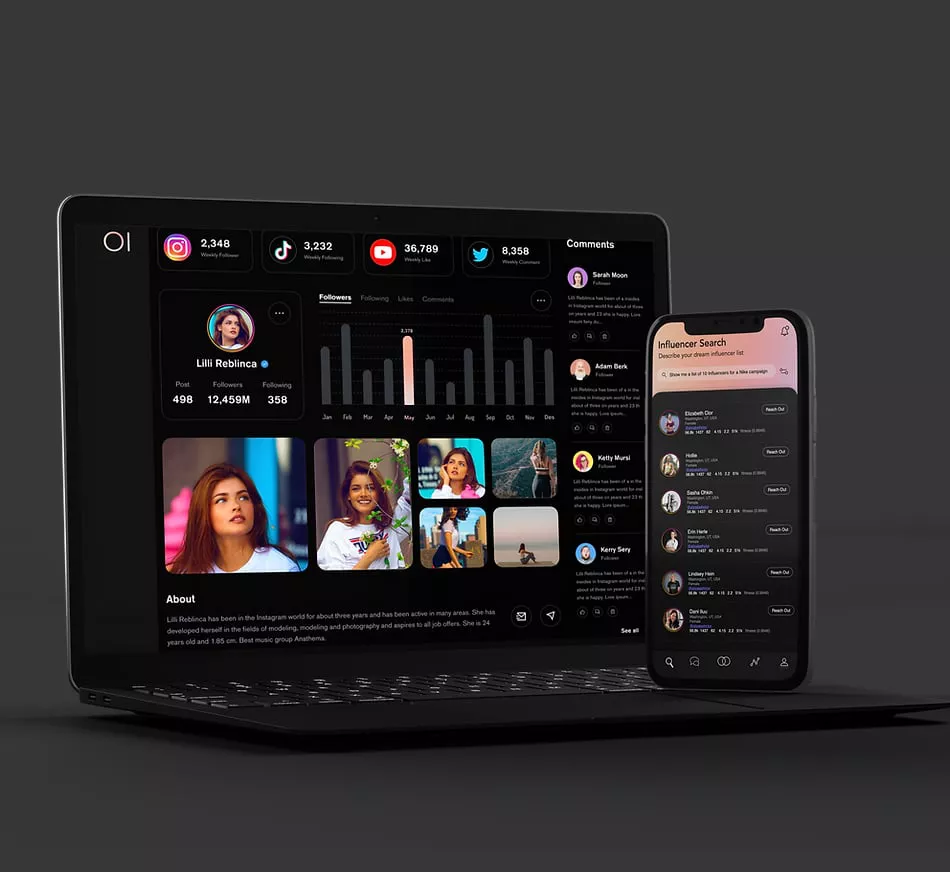
Instead of relying on one influencer’s audience, brands can partner with dozens of micro and nano influencers to capture multiple keyword variations, geotags, and content formats. Each creator becomes a unique content node—an entry point for new audiences.
Why Volume Matters
Gen Z increasingly searches directly on social platforms like TikTok, Instagram, and YouTube Shorts for inspiration, recommendations, and reviews. Every additional creator posting about your brand is another opportunity to rank in-platform search results—and to own your category through content density.
Social Platforms and Google Are Blurring
Short-form content from TikTok, Instagram Reels, and YouTube Shorts is now indexed by Google, giving posts dual visibility across social feeds and search engines. The goal isn’t one viral hit—it’s creating a network of content touchpoints so your brand becomes unmissable.
A Powerful Tool for Challenger Brands and Emerging Startups
For newer or niche brands, micro and nano influencers are invaluable:
- Lower acquisition costs compared to celebrity endorsements.
- Early adopters who become genuine advocates.
- Faster content cycles, allowing for quick iteration and scaling.
These partnerships allow challenger brands to build community and trust from day one, establishing brand identity in a crowded marketplace.
How Open Influence Helps Brands Activate Micro & Nano Influencers at Scale
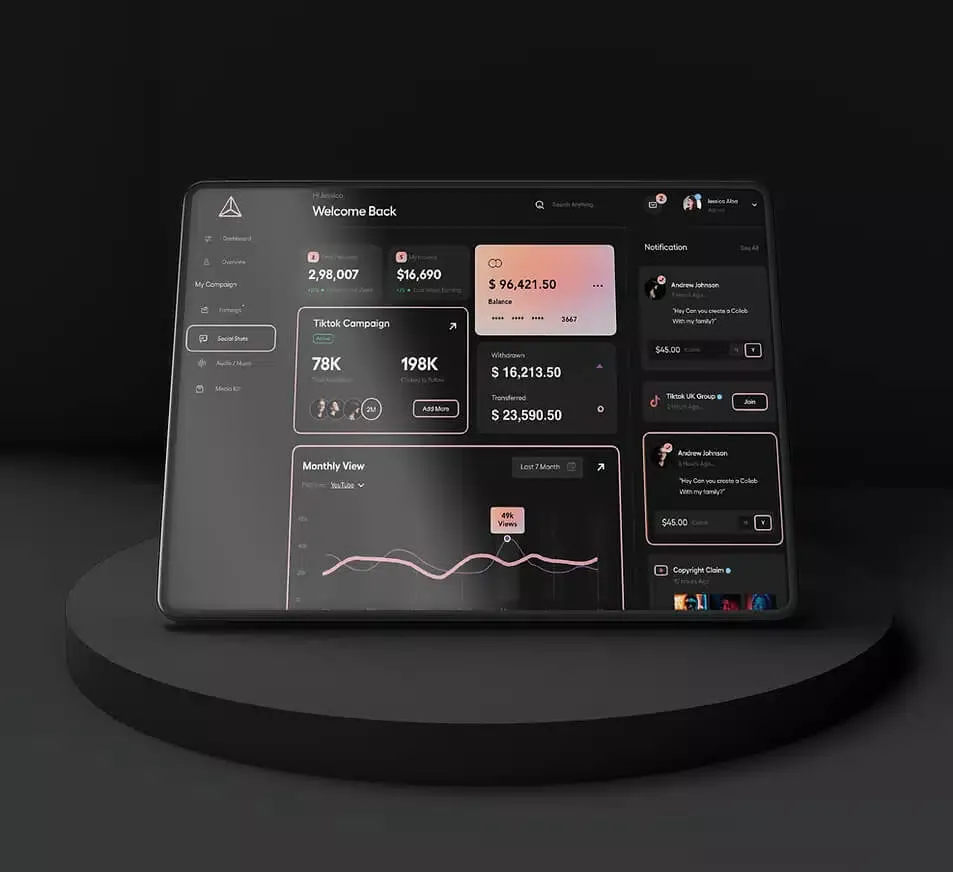
At Open Influence, we’ve refined the process of leveraging micro and nano influencers to achieve large-scale impact without sacrificing authenticity. Our proprietary tools identify and vet the right creators for a brand’s goals, ensuring the highest audience relevance.
We execute scalable user-generated content campaigns designed to maximize reach across multiple touchpoints while keeping engagement authentic. Every creator campaign is tracked, measured, and optimized, so ROI isn’t an afterthought—it’s a core deliverable.
We’ve seen firsthand how the right mix of smaller creators can outperform traditional influencer campaigns, delivering both cultural resonance and measurable business results.
Think Small to Win Big. Get Started With Open Influence
Micro and nano influencers are redefining success in influencer marketing. They offer authenticity, niche reach, and cost-effective performance that’s perfectly suited for today’s budget-conscious, trust-driven market.
Brands that move beyond vanity metrics and embrace smaller creators with big influence will build stronger relationships, better ROI, and more sustainable growth.
Ready to harness the power of micro and nano influencers? Contact us here at Open Influence today to craft a custom strategy that drives both authenticity and results.
FAQs
What is the difference between micro and nano influencers?
The main difference lies in audience size and reach. Micro influencers often have a slightly broader niche and larger reach, while nano influencers are deeply embedded in specific local or interest-based communities, resulting in highly engaged, loyal followers.
Why are micro and nano influencers more effective for some brands?
Their smaller audiences often mean higher engagement rates and more authentic interactions. This allows brands to connect with niche markets and create trust-driven campaigns that convert better than mass-reach influencer strategies.
Which platforms are best for micro and nano influencer marketing?
TikTok, Instagram, and YouTube Shorts are particularly effective because their algorithms favor content relevance over follower count, giving smaller creators the chance to go viral and reach new audiences.
How do I find the right micro or nano influencers for my brand?
Look for creators whose audience demographics, engagement style, and content themes align with your brand’s target market. Tools, social listening, and agency expertise can help ensure the right match.