
By Lauren Zoltick, Founder & Talent Manager, Happy Queer Media
I named my company Happy Queer Media and filed for an LLC in the fall of 2023. After spending twelve years across creative agencies and in-house marketing teams leading social media, influencer, and performance marketing programs, I found myself looking for something more meaningful. Four years into remission from cancer and six years after coming out as queer, I was ready to build something that reflected both my professional expertise and my personal values.
The catalyst came unexpectedly. An influencer partner at the company where I was working asked whether I knew any LGBTQ+ talent managers. After coming up empty, I offered to help temporarily, thinking it would be a small side project. A few months later, we had launched a successful podcast, a merch line, a Patreon account, and were planning a tour… and one thing was clear: I was never turning back.
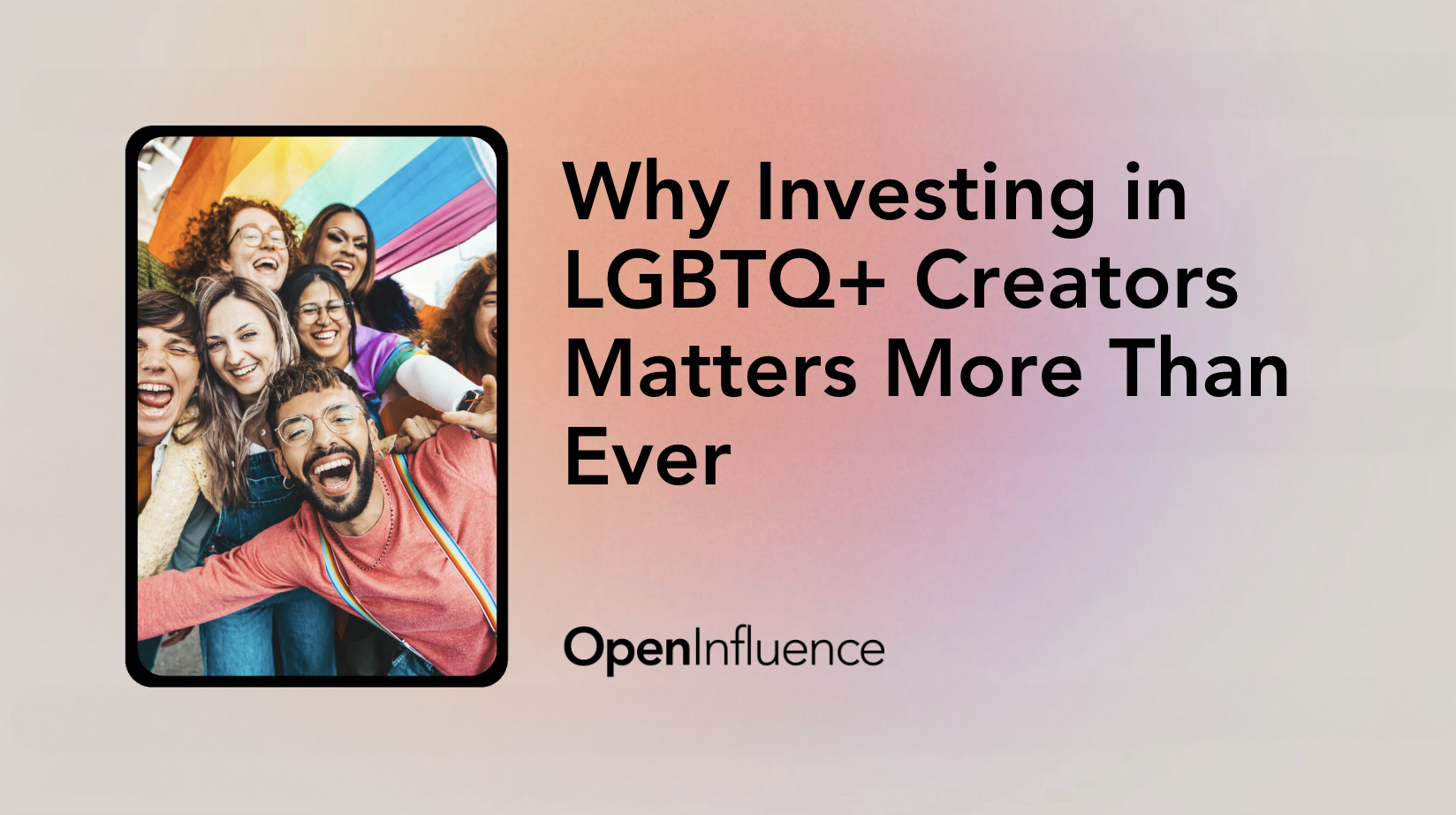
Creator marketing has become one of the most important battlegrounds for LGBTQ+ representation, and at a moment when many brands are retreating, investing in LGBTQ+ creators matters more than ever.
Today, Happy Queer Media’s mission is to create better, more positive representation for the LGBTQ+ community through talent management and creative development for some of the world’s leading LGBTQ+ creators. Every day, I get to work with people who are building queer communities while shaping how LGBTQ+ people are seen, understood, and celebrated online.
The timing could not be more important. Creator and influencer marketing has become one of the most powerful forces in modern media, giving individuals the ability to reach millions of people without the gatekeepers that traditionally controlled representation in television, film, and advertising. For LGBTQ+ creators, this shift has created unprecedented opportunities to tell authentic stories, build communities, and influence culture. At the same time, it has exposed ongoing challenges around visibility, inclusion, and how brands engage with LGBTQ+ audiences.
Recent political and cultural shifts have made something impossible to ignore: much of corporate support for LGBTQ+ communities was never rooted in conviction. It was rooted in comfort. Call it performative allyship. Call it rainbow capitalism. Whatever the label, I saw it firsthand. June 2024 was the biggest month for my business by a factor of three. One year later, June 2025 was practically a ghost town.
Unfortunately, participating in Pride has been deemed a “risk.” And, while I’ve been advocating for nearly a decade for brands to partner with LGBTQ+ creators year-round instead of only in June, this shift away from Pride is purely based in fear of retaliation and not a growing investment in LGBTQ+ representation. And while this has always been the case, the disparity within LGBTQ+ creators has also grown, as creators who are transgender, nonbinary, disabled, and/or people of color now face even greater barriers to visibility and brand investment than their white, cisgender counterparts.
What hasn’t changed is the LGBTQ+ community itself. If anything, we’ve become more resilient. When visibility is challenged, people find new ways to create it. When support disappears, communities step in to fill the gap.
For brands smart enough to recognize the value of partnering with LGBTQ+ creators, they have a real opening that competitors are abandoning. As consumers demand greater authenticity and inclusivity from the companies they support and with the knowledge that the U.S. LGBTQ+ community commands an estimated $1.4 trillion to $1.7 trillion in annual spending power, not to mention the vast community of allies and supporters, the opportunity is enormous.
Beyond financial gain, these partnerships can help brands reach highly engaged communities while elevating voices that have historically been underrepresented. As a marketer, I understand the business case. As a queer person, I understand the human one. The creators we support today are helping future generations see themselves reflected in the world around them. In a moment when visibility feels increasingly contested, this work isn’t just a good marketing decision. It’s culture-making.