
Good morning. “Maxxing” is suddenly all over brand feeds, the WSJ Leadership Institute’s Patrick Coffee reports this morning. Some examples:
- Marriott recently pitched Labor Day hotel stays for “weekend maxxing,”
- Harry’s joked that its new razor was great for “jawmaxxing,”
- The Cheesecake Factory floated “cheesecake-maxxing,” and
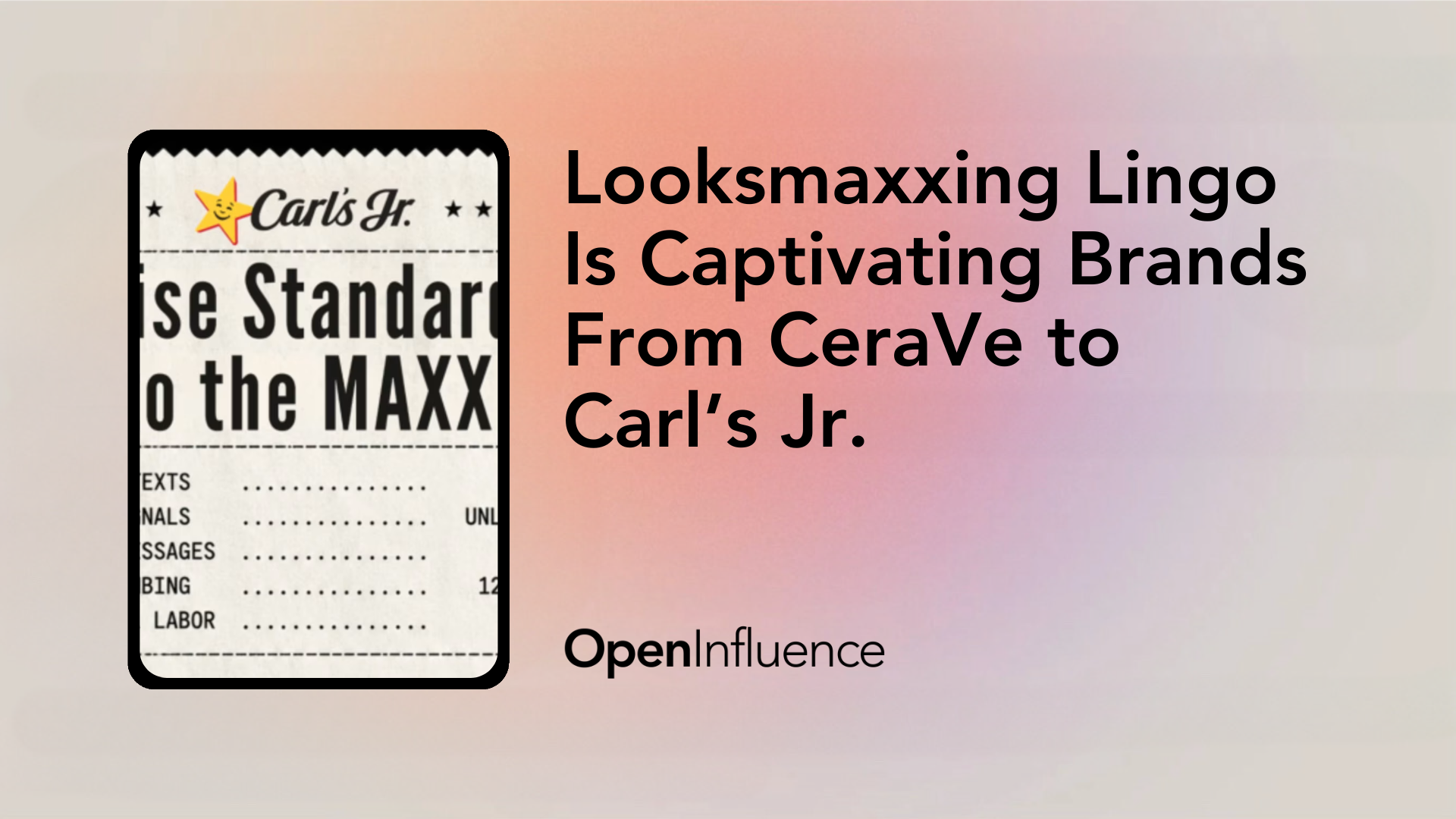
- Carl’s Jr. is selling a Spicy Chicken Maxx sandwich.
Brands’ lighthearted material contrasts with the source of their new slang—“looksmaxxing” discourse by young men who try to improve their appearance with at-times extreme steps, including tapping their faces with hammers.
Marketers aren’t promoting that, of course. A CeraVe TikTok touting a “looksmaxxing protocol” parodied “bone smashing” en route to advertising lotion, while Carl’s Jr. said its sandwich name conveys an “all-in mindset” in a culturally resonant way.
I asked Patrick more about the marketing lexicon of the moment.
Are brands targeting looksmaxxers, or just memeing?
Patrick: I see two things happening at once. Most brands using these terms are just cashing in on an easy meme. Social mentions of “maxxing” grew 675% in the first seven months of this year over the same period last year, according to Sprout Social. And “maxxing” is perfect in that way, because it can mean anything or nothing at all.
The second thing is young men really are spending more time and money on their appearance and the way they present themselves. “You can chat with a 14-year-old and they’ll know about top notes, mid notes and low notes of cologne,” the brand consultant Chris Danton said. I don’t think that was true 10 or 15 years ago. It certainly wasn’t true when I was 14.
Will “maxxing” and “mogging” lose their punch as brands borrow the language?
Patrick: I’d say yes, but Braden Peters, the prominent looksmaxxer better known as Clavicular, told me “these words are just so good that I think it’ll kind of transcend that.”
There’s a compelling argument regardless that even when these phrases fall out of favor, the trend of men paying more attention to themselves will remain.
I think it’s a byproduct of living online all the time, especially during the pandemic. The rise of videoconferencing tools and dating apps has also required men to look at their faces on a screen more often, and that can lead to more self-criticism. There’s the negative aspect of looksmaxxing, or whatever people will call it two years from now.
Read full article here.